In brief
- More than 100 kg of LPG at one location needs a location compliance certificate, or, up to 300 kg, a compliance plaque from your gas supplier.
- From 300 kg you need a certificate renewed every 12 months, and above 300 kg a written emergency response plan as well.
- Three 45 kg exchange cylinders already take you past 100 kg.
LPG is one of the most common hazardous substances in New Zealand workplaces. Cafés and restaurants cook with it, forklifts run on it, and builders, roofers and plumbers carry it on their vans. Because it is a flammable gas, the Health and Safety at Work (Hazardous Substances) Regulations 2017 attach a set of controls to it, and each control starts at a different quantity. The quantities below are for the total LPG at one location, counting every cylinder on site.
The quantities that matter
| LPG on site | What applies |
|---|---|
| More than 50 kg | A 2 kg dry chemical fire extinguisher on hand. Signs if more than 50 kg is inside a building. |
| More than 100 kg | A location compliance certificate, or for up to 300 kg a compliance plaque from your gas supplier. WorkSafe must be told at least 5 working days before a new site is commissioned. |
| More than 250 kg outdoors | Signs at the storage area and site entrances. |
| 300 kg or more | A location compliance certificate, renewed every 12 months. Above 300 kg, a written emergency response plan as well. |
For context, a standard barbecue cylinder holds 9 kg and the large exchange cylinders many businesses use hold 45 kg, so three 45 kg cylinders already take you past 100 kg.
Between 100 kg and 300 kg
Regulation 10.35 gives sites in this band a choice. You can engage a compliance certifier for a location compliance certificate, which WorkSafe says runs for 36 months at this quantity, or your gas supplier can check the installation and fit a compliance plaque. Once you reach 300 kg, the plaque option falls away and you need a certificate from an authorised compliance certifier, issued for 12 months at a time.
Keeping LPG indoors
The regulations limit how much LPG can be stored or used inside a building, and WorkSafe's guidance sets the limits by building type:
- a standalone commercial building can hold no more than 10 kg for every 10 square metres of floor area, up to 100 kg
- a building attached to another occupied building can hold no more than 20 kg indoors, whatever its size
- factories and warehouses can hold no more than 45 kg for every 50 square metres, up to 180 kg, not counting cylinders fitted to forklifts
Anything above those amounts belongs outside, and cylinders with more than 50 kg in total inside a building also trigger the signage rules.
Storing cylinders safely
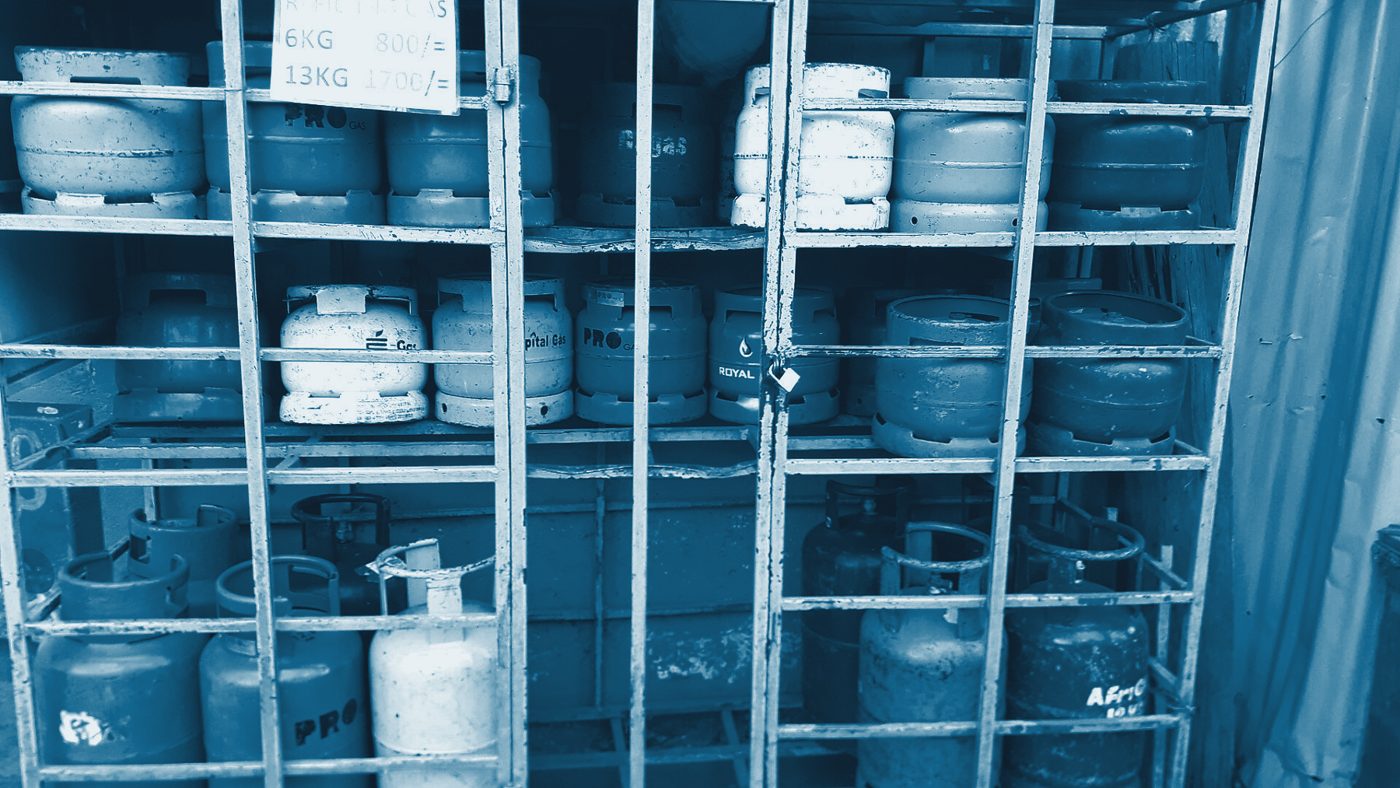
WorkSafe's guidance for LPG in industry comes down to a few habits. Keep cylinders upright unless they are designed to be used another way, keep them away from ignition sources, heat and anything that could catch fire, and secure them from people who shouldn't have access, for example in a locked cage or inside a fenced area. Only an approved filler can refill a cylinder, so swap or refill through your supplier rather than decanting on site. LPG does not need a certified handler.
Setting up a new site
If a new location will hold more than 100 kg of LPG, WorkSafe must be notified at least 5 working days before it is commissioned. That is shorter than the 30 working days needed for most other hazardous substance locations, and the certificate or plaque needs to be in place once the site holds that much. Plan the cylinder position, the distances to doors, drains and ignition sources, and the signage at the same time, so the certifier's visit isn't held up by something you could have placed differently.
Where to check your own numbers
WorkSafe's hazardous substances calculator works out which controls apply when you enter everything you store, which matters if you hold LPG alongside petrol, solvents or other flammables. If you'd rather talk it through, get in touch and we'll tell you what applies to your site. HSWNZ certifies LPG locations nationwide.
This is general guidance based on WorkSafe's published material. It is not legal advice, and the regulations take precedence where they differ.
Sources
- Health and Safety at Work (Hazardous Substances) Regulations 2017 (LI 2017/131), regs 2.5, 10.35 and 11.42. New Zealand Legislation. Accessed 16 October 2026. https://www.legislation.govt.nz/regulation/public/2017/0131/latest/whole.html.
- WorkSafe New Zealand. "LPG in Industry." Last modified 21 August 2018. Accessed 16 October 2026. https://www.worksafe.govt.nz/topic-and-industry/hazardous-substances/guidance/substances/liquified-petroleum-gas-lpg/lpg-in-industry/.
- WorkSafe New Zealand. "Hazardous Substances That Activate Key Safety Controls." Quick guide, May 2019. Accessed 16 October 2026. https://www.worksafe.govt.nz/dmsdocument/3921-hazardous-substances-that-activate-key-safety-controls.
- WorkSafe New Zealand. "Notification of Commissioning of Hazardous Substance Location or Transit Depot." Accessed 16 October 2026. https://www.worksafe.govt.nz/notifications/notification-of-commissioning-of-hazardous-substance-location-or-transit-depot/.