In brief
- A written plan is needed above set quantities, for example more than 300 kg of LPG, 1,000 litres of petrol or 10,000 litres of diesel.
- It must cover every reasonably foreseeable emergency and include an inventory and a site plan.
- Test it at least every 12 months, and again within 3 months of any change to the people or procedures in it, and keep each test record for 2 years.
If a fire or spill happened at your site tomorrow, the people there would need to know who raises the alarm, where everyone goes, who rings Fire and Emergency, and where the extinguishers are. Above certain quantities of hazardous substances, the Health and Safety at Work (Hazardous Substances) Regulations 2017 require those answers to be written down, kept where people can reach them, and practised. That document is the emergency response plan.
When a plan is required
Regulation 5.6 requires a plan when substances are present above the quantities in Schedule 5. WorkSafe gives these examples:
| Substance | Plan needed above this quantity |
|---|---|
| LPG (class 2.1.1A) | 300 kg |
| Petrol | 1,000 L |
| Other class 3.1A flammable liquids | 100 L |
| Class 3.1B flammable liquids | 1,000 L |
| Class 3.1C and 3.1D, such as diesel | 10,000 L |
| Fuel on a farm of 4 ha or more, stored so a spill can't reach buildings or water | 2,000 L |
For example, a café with three 45 kg LPG cylinders holds 135 kg, well under the 300 kg line, so its LPG doesn't call for a written plan. A contractor's yard with a 1,200 litre petrol tank is over the 1,000 litre petrol line, so it does.
Petrol has its own threshold under regulation 5.6(2)(a), even though it is a class 3.1A liquid. If you hold several substances, check them together with WorkSafe's hazardous substances calculator.
What the plan must contain
Regulation 5.7 says the plan must cover every reasonably foreseeable emergency involving your hazardous substances. For each one it has to describe:
- how people will be warned, protected and helped if injured
- how the emergency will be managed and the site made safe again
- who is responsible for each action, with their contact details, skills and training
- how emergency services will be contacted, and the equipment to be used
- where fire is foreseeable, the type and location of the fire extinguishers
The plan must also include an inventory of the hazardous substances at the workplace and a site plan showing where each hazardous substance location is.
Who must have access to the plan
Regulation 5.10 requires the plan to be available to every person named as responsible for carrying it out, and to the emergency services it names. Keep a copy at the site entrance or with the inventory, where those people can reach it quickly. Fire and Emergency New Zealand can review a plan and make written recommendations, and you must amend the plan to give effect to them so far as reasonably practicable.
Testing and records
A plan only works if people have practised it. Regulation 5.12 requires you to:
- test the plan at least every 12 months
- test it again within 3 months of any change to the people, procedures or actions in it
- amend it in response to what each test shows
- record every test and its results, and keep each record for at least 2 years
A test can be a full drill, or a walk-through with the responsible people of what each would do. Write down what happened and what you changed.
Making it usable
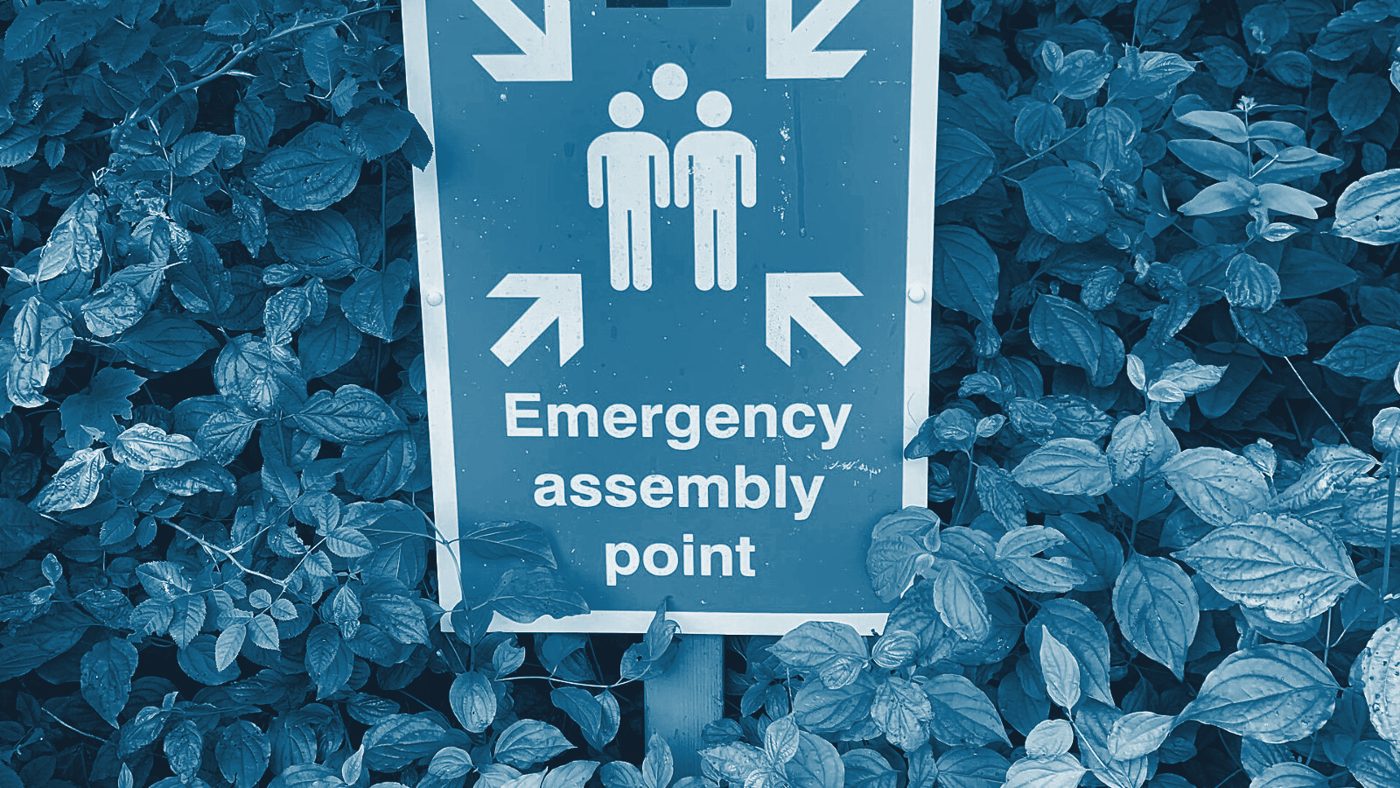
A long plan in a binder is hard to follow in an emergency. Many sites keep the full plan with the inventory and put a one-page summary at the entrance and in each work area, showing the alarm, the assembly point, who to call and where the extinguishers and spill kit are. When someone named in the plan leaves or changes role, update the plan and book the next test, since the three-month clock starts from that change.
Penalties
Failing to prepare a plan or test it can bring a fine of up to $10,000 for an individual and $50,000 for a business, under regulations 5.7(5) and 5.12(6). Record-keeping breaches carry lower fines.
A starting template
WorkSafe publishes an emergency management flipchart that works as a template. A plan can also sit within your wider health and safety documents, as regulation 5.13 allows. When we certify a location, we check that the plan exists, matches the site and has been tested, so having it in order before the visit saves a return trip. Our compliance advice can help you write or review one.
Or start from our emergency response plan template (fillable PDF), which follows Part 5 of the regulations and includes a testing record and a one-page summary for the site entrance.
This is general guidance based on the regulations and WorkSafe's published material. It is not legal advice.
Sources
- Health and Safety at Work (Hazardous Substances) Regulations 2017 (LI 2017/131), Part 5, regs 5.6 to 5.13 and sch 5. New Zealand Legislation. Accessed 16 October 2026. https://www.legislation.govt.nz/regulation/public/2017/0131/latest/whole.html.
- WorkSafe New Zealand. "Hazardous Substances That Activate Key Safety Controls." Last modified 23 May 2019. Accessed 16 October 2026. https://www.worksafe.govt.nz/topic-and-industry/hazardous-substances/guidance/hazardous-substances-that-activate-key-safety-controls/.
- WorkSafe New Zealand. "Emergency Plans." Accessed 16 October 2026. https://www.worksafe.govt.nz/topic-and-industry/hazardous-substances/managing/emergency-plans/.
- WorkSafe New Zealand and MBIE. Working Safely with Hazardous Substances: A Practical Guide, section 6.0, "Emergency Preparation." Accessed 16 October 2026. https://hazardoussubstances.govt.nz/media/opvoss5f/practical-guide-section-60.pdf.