In brief
- Signs are needed above set quantities, for example more than 50 kg of LPG inside a building, 250 kg outside, or 50 litres of petrol.
- They go at the entrances to the building and land, at the door of a dedicated store, or right beside an outdoor store.
- Each sign needs HAZCHEM (or EXPLOSIVES), the hazard pictograms, any precautions and the emergency action, legible from 10 metres.
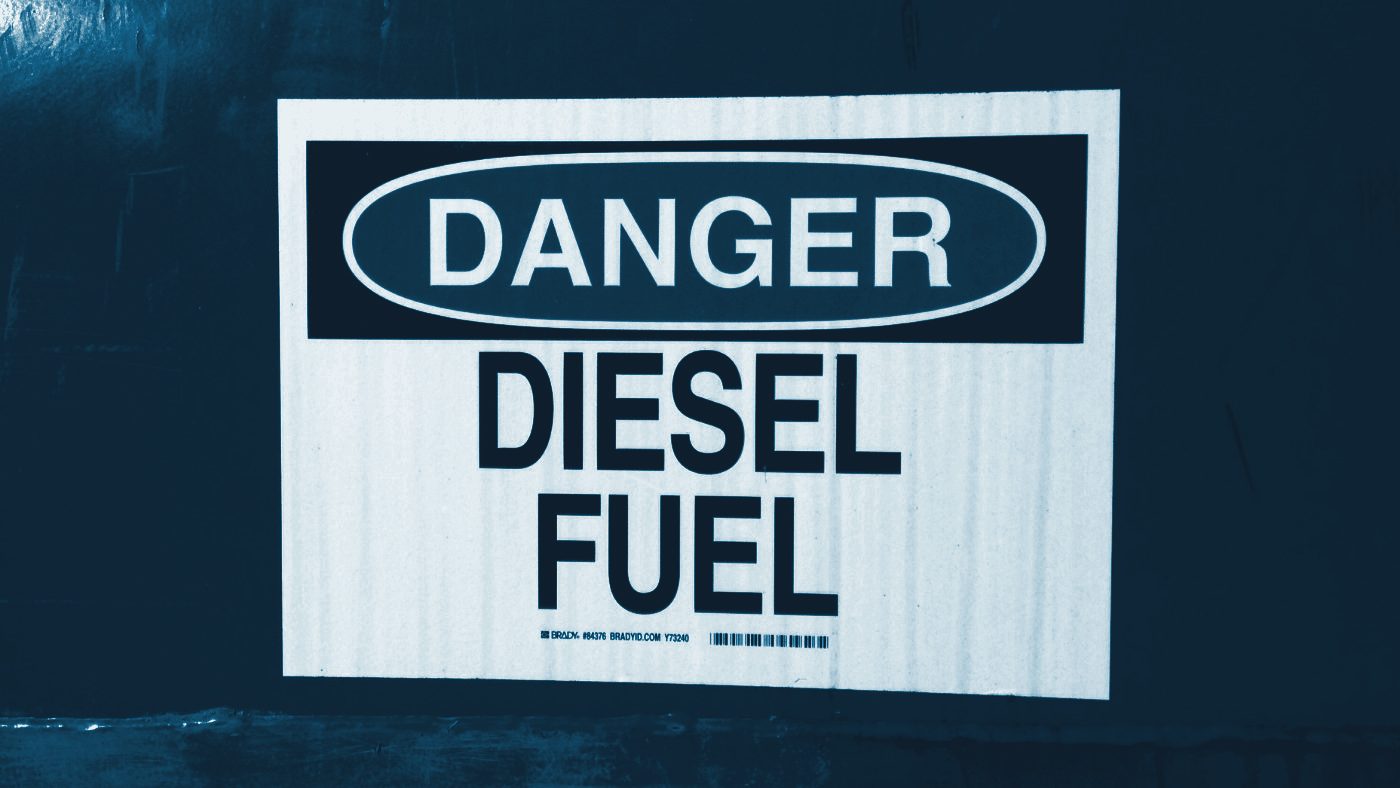
Signs tell anyone arriving at your site, including a firefighter at two in the morning, that hazardous substances are present, what kind of hazard they pose, and what to do in an emergency. The rules sit in regulations 2.5 to 2.10 of the Health and Safety at Work (Hazardous Substances) Regulations 2017.
When signs are required
Signage is required when you hold more than the quantities in Schedule 3 of the regulations. WorkSafe gives these examples:
| Substance | Signs needed above this quantity |
|---|---|
| LPG inside a building | 50 kg |
| LPG outside a building | 250 kg |
| Class 3.1A flammable liquids, such as petrol | 50 L |
| Class 3.1B flammable liquids | 250 L |
| Class 3.1C flammable liquids | 1,000 L |
| Class 3.1D flammable liquids, such as diesel | 10,000 L |
The LPG thresholds come directly from regulation 2.5(1). Signs are also needed where a flammable gas refrigerant is in a refrigeration machinery room. Farms have their own figures for fuel, set out in our farm fuel tanks guide.
Where the signs go
Placement depends on how the substances are stored, under regulation 2.6:
- if they are in a building without a dedicated storage room, put signs at every vehicle and pedestrian entrance to the building and to the land on which it sits
- if they are in a dedicated room, put signs at each entrance to that room
- if they are stored outdoors, put a sign immediately next to the storage area
WorkSafe advises against placing signs on doors that hide them when open, above doors, or high up where smoke could obscure them.
What the signs must say
Each sign must carry:
- a warning word: HAZCHEM for classes 2, 3, 4, 5, 6 and 8, or EXPLOSIVES for class 1
- the hazard pictograms or hazard statements for the substances present
- any relevant precautions
- the immediate action to take in an emergency
The sign must be in English and readily understood, with abbreviations kept to a minimum. All the required information must be clearly visible and legible from at least 10 metres, except signs at a petrol or diesel refuelling point. Signs must be durable and stand up to sunlight.
Two worked examples
A contractor's yard keeps a 400 litre petrol tank outdoors. Petrol is a class 3.1A flammable liquid and 400 litres is well over the 50 litre threshold, so the yard needs a sign immediately next to the tank, showing HAZCHEM, the flammable pictogram, any precautions and the emergency action.
A café keeps two 45 kg LPG cylinders in a cage outside the kitchen door. That is 90 kg outdoors, below the 250 kg outdoor threshold, so no sign is required for the LPG, although a sign is still a sensible addition. If the same cylinders were kept inside the building, the 50 kg indoor threshold would apply and signs would be needed.
Buying signs
Safety suppliers sell ready-made HAZCHEM signs, and many will print one to order. Before you buy, check that the sign names the right hazard for what you hold, includes the emergency action, and is large enough to read from 10 metres where it will hang. A generic "flammable" sign may not meet every requirement on its own.
Keeping signs right
Regulation 2.10 requires signs to be updated as soon as practicable after anything they describe changes, and kept clean, in good repair and uncovered. Faded signs, signs hidden behind stacked pallets and signs listing a substance you no longer hold all fail that test. A walk around the site when you update your inventory catches most of them.
Penalties
Signage breaches can bring a fine of up to $6,000 for an individual and $30,000 for a business.
Getting it checked
Signage is part of every location inspection we carry out. If you're not sure your signs meet the rules, send us a photo and we'll tell you what to change.
This is general guidance based on the regulations and WorkSafe's published material. It is not legal advice.
Sources
- Health and Safety at Work (Hazardous Substances) Regulations 2017 (LI 2017/131), regs 2.5 to 2.10 and sch 3. New Zealand Legislation. Accessed 16 October 2026. https://www.legislation.govt.nz/regulation/public/2017/0131/latest/whole.html.
- WorkSafe New Zealand. "Hazardous Substance Signage." Quick guide WSNZ_4965, August 2025. Accessed 16 October 2026. https://www.worksafe.govt.nz/dmsdocument/20721-hazardous-substances-signage/latest/.
- WorkSafe New Zealand. "Hazardous Substances That Activate Key Safety Controls." Last modified 23 May 2019. Accessed 16 October 2026. https://www.worksafe.govt.nz/topic-and-industry/hazardous-substances/guidance/hazardous-substances-that-activate-key-safety-controls/.